
Build your faith
Sermons
Watch Live
Sundays at 9:30AM & 11AMDate: 2/22/2026
Message: The purpose of the Tithe
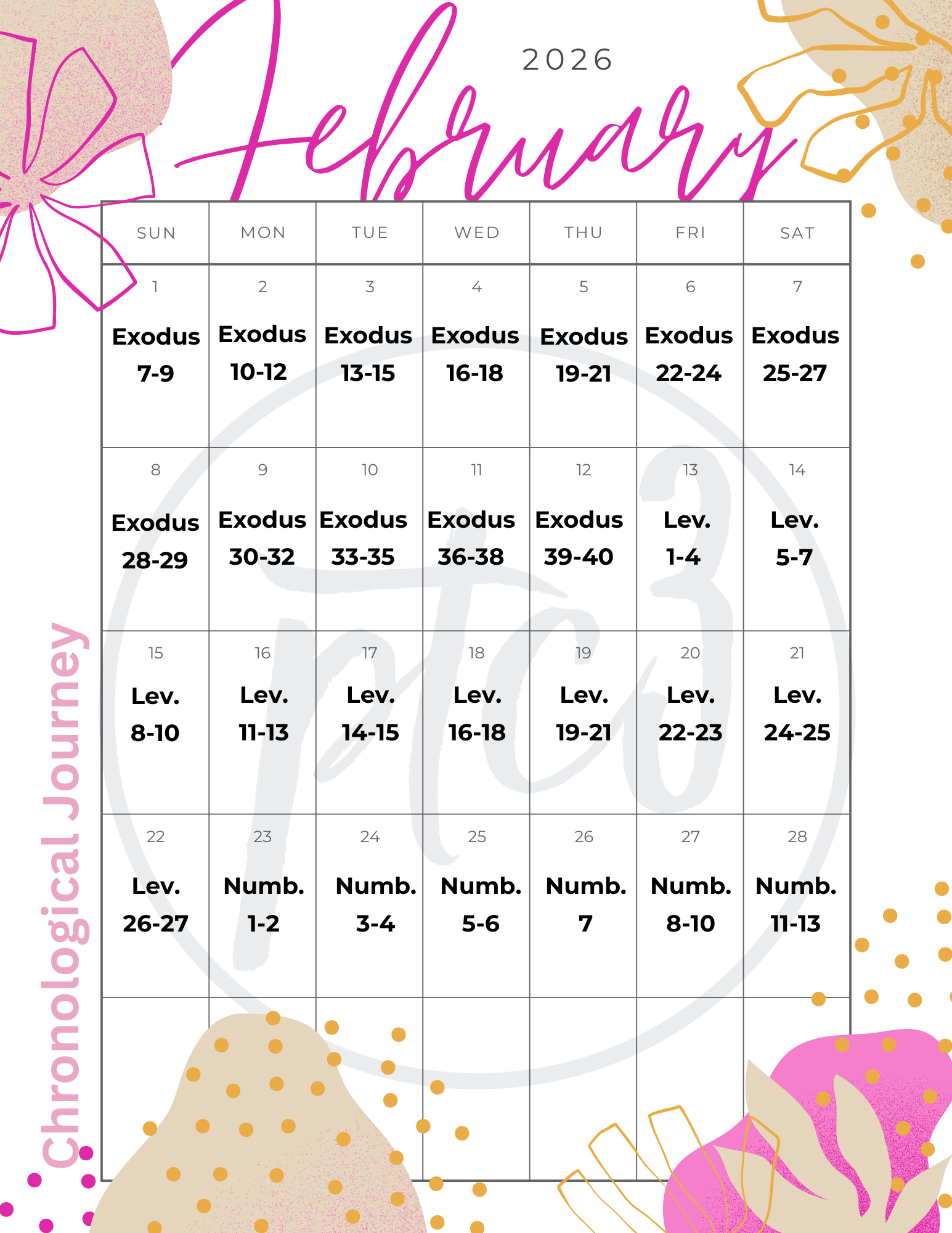
Foundational Scripture:Leviticus 26-27
Message Scripture: Leviticus 27:30-33
(The purpose of the tithe) It is a reminder that:
- Everything we have comes from God -
- God has a plan for everything -
- God determines value not us -
- Generosity should be without a grudge -
The purpose of the tithe is not to collect money, but to teach us to develop a heart like God’s. “For God so loved the world He gave.”
MIDWEEK LEADERS GUIDE:
Date: 2/22/2026
Message: The purpose of the Tithe
Foundational Scripture:Leviticus 26-27
Message Scripture: Leviticus 27:30-33
ICEBREAKER: Are there any stories of faithfulness you have heard through peoples’ decision to give to the Lord?
- God designed the tithing of the Israelites to be a generous and cheerful giving. How can we tithe with joy and faith in what God will do with what we are willing to give up? What are some things you can tithe to the Lord, other than your money?
- Read Mark 12:41-44. What is significant about this passage and the context of this chapter in Mark? How can we grow to have a heart posture like the woman described in this passage?
- JP Pokluda states, “You are not a container for God to store money in; you are a conduit to get it where it needs to go”. Rather than just holding or showcasing our wealth, we are called to steward and facilitate it well. How can we intentionally be conduits rather than containers of the blessings the Lord has given us?
- How does tithing draw you closer to God? Through trust? Dependence? Faith? Why do you think that the world tries to tell us that tithing is no longer applicable to the modern age? How can we encourage those around us to use their blessings to bless others and give unto the Lord?
- Read Matthew 23:23. How does lack of generosity in tithing reflect greater issues found within the heart? How does this verse tie into the message from the sermon?
GUÍA PARA LÍDERES DE MITAD DE SEMANA:
Fecha: 22/2/2026
Mensaje: El propósito del diezmo
Palabra fundamental: Levítico 26-27
Palabra del mensaje: Levítico 27:30-33
ROMPEHIELOS: ¿Conocen alguna historia de fidelidad que hayan escuchado a través de la decisión de la gente de dar al Señor?
Dios diseñó el diezmo de los israelitas para que fuera una ofrenda generosa y alegre. ¿Cómo podemos diezmar con alegría y fe en lo que Dios hará con lo que estamos dispuestos a dar? ¿Qué otras cosas pueden diezmar al Señor, además de su dinero?
Lean Marcos 12:41-44. ¿Qué importancia tiene este pasaje y el contexto de este capítulo de Marcos? ¿Cómo podemos desarrollar una actitud de corazón como la de la mujer descrita en este pasaje?
JP Pokluda afirma: “No eres un recipiente donde Dios guarda el dinero; eres un conducto para que llegue a donde debe ir”. En lugar de simplemente guardar o exhibir nuestra riqueza, estamos llamados a administrarla y facilitarla adecuadamente. ¿Cómo podemos ser intencionalmente conductos, en lugar de contenedores, de las bendiciones que el Señor nos ha dado?
¿Cómo te acerca el diezmo a Dios? ¿A través de la confianza? ¿Dependencia? ¿Fe? ¿Por qué crees que el mundo intenta decirnos que el diezmo ya no es aplicable en la era moderna? ¿Cómo podemos animar a quienes nos rodean a usar sus bendiciones para bendecir a otros y dar al Señor?
Lee Mateo 23:23. ¿Cómo refleja la falta de generosidad al diezmar problemas más profundos que se encuentran en el corazón? ¿Cómo se relaciona este versículo con el mensaje del sermón?